
Shopify is one of the most popular e-commerce platforms that allows individuals and businesses to create their own online stores with ease. Founded in 2006, Shopify has become a go-to platform for entrepreneurs looking to build, grow, and manage online stores.
Whether you’re selling physical products, digital goods, services, or drop-shipping, Shopify provides a comprehensive solution with an intuitive interface and a vast ecosystem of features. The platform currently powers over 4.12 million websites globally, positioning itself as a leader in the e-commerce space.
How Does Shopify Work?
1. Getting Started with Shopify
To get started, users simply sign up for an account at Shopify’s official website. Shopify offers a free trial period, allowing you to explore its features before committing to a plan. Once signed up, users can begin setting up their online store by selecting a theme, adding products, and configuring settings like shipping and taxes.
Need help choosing the right Shopify plan? Check out our own Shopify plan calculator which compares the various plan fees to make sure you’re using the most cost effective one
2. Store Setup
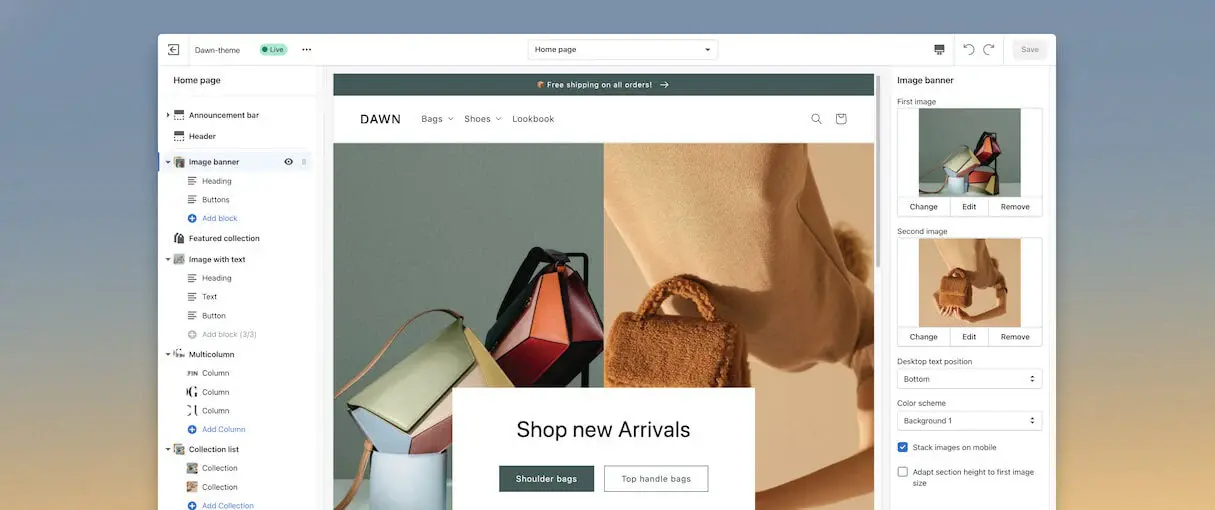
Shopify’s drag-and-drop builder makes it incredibly simple to set up an online store without any coding knowledge. You can customise your site’s design by choosing from a range of free or paid themes and further tweak the design using Shopify’s theme editor. The platform also allows for custom coding if you’re tech-savvy or have access to a web developer.
Each Shopify store is designed to be mobile-friendly, ensuring a smooth user experience across devices. Additionally, Shopify provides built-in SEO features to help your store rank better on search engines, allowing customers to find your products easily.
3. Adding Products
Products can be easily added to your Shopify store through the platform’s product management system. Shopify allows you to:
- Upload product images
- Write product descriptions
- Set pricing
- Track inventory
- Add SKUs, product variants, and categories
These features help streamline product management, even for stores with large catalogs.
4. Payment Integration
Shopify offers a range of payment gateway options, including Shopify Payments (its in-house system), PayPal, Stripe, and other third-party options. This gives merchants flexibility in choosing the best payment solution for their business. Shopify Payments has the added benefit of reducing transaction fees and providing seamless integration into the platform.
5. Shipping and Fulfilment
Shopify also includes comprehensive shipping solutions, allowing businesses to set different shipping rates, print shipping labels, and track orders. It also integrates with third-party fulfillment services such as Amazon, ShipStation, and ShipBob, offering flexibility in managing your supply chain and product distribution.
For businesses looking to engage in drop-shipping, Shopify integrates with apps like Oberlo and Spocket, allowing users to sell products without holding inventory. This is especially useful for businesses that want to keep costs low while focusing on scaling.
6. Marketing and SEO
Shopify provides several built-in marketing tools to help store owners promote their products and attract customers. The platform is equipped with:
- SEO tools for optimising page titles, meta descriptions, and URLs
- Email marketing through apps like MailChimp or Klaviyo
- Social media integrations for platforms like Facebook, Instagram, and Pinterest
Shopify also offers seamless integration with Google Ads and Facebook Ads, allowing merchants to run paid ad campaigns directly from the platform.
Key Benefits of Shopify
1. Scalability
Whether you’re a small business or a fast-growing enterprise, Shopify can scale with your needs. From Shopify Lite for simple selling to Shopify Plus for larger enterprises, the platform is built to support businesses of all sizes.
2. App Ecosystem
Shopify boasts over 6,000 apps in its app store, ranging from inventory management tools to customer relationship management (CRM) systems. This ecosystem allows businesses to extend Shopify’s core functionality to meet their unique business needs.
3. Security and Reliability
Shopify is a hosted platform, which means all your website hosting, security, and software updates are managed by Shopify. The platform is PCI DSS compliant, ensuring secure transactions and protecting sensitive customer information.
Shopify Pricing
Shopify offers several pricing plans to suit different business needs:
- Basic Shopify – Best for new businesses
- Shopify Plan – For growing businesses
- Advanced Shopify – For scaling businesses with high volume
- Shopify Plus – For enterprise-level solutions
Each plan comes with a set of features, including additional staff accounts, shipping discounts, and reporting tools.
Conclusion
Shopify is a versatile and user-friendly e-commerce platform that is perfect for both beginners and established businesses. Its ease of use, scalability, and extensive app ecosystem make it a top choice for anyone looking to start or expand their online presence. Whether you’re selling 10 products or 10,000, Shopify can help you create a professional, fully-functional store in just a few clicks.
If you’re interested in taking your business to the next level with Shopify, consider partnering with Rococo Digital for expert design and development. From store setup to marketing, we can help you maximise Shopify’s full potential.