
UK Shopify SEO agency · Shopify Partner
Shopify SEO agency for stores that should own their category
Technical fixes, collection pages and content for UK Shopify and Shopify Plus stores, shipped into the theme by our own developers and reported on organic revenue.
Rococo is a UK Shopify SEO agency and Shopify Partner. Our Shopify SEO services cover the technical problems the platform creates, the collection and product pages that win high intent searches, and the content that earns links, with a director as the Shopify SEO consultant on every account.



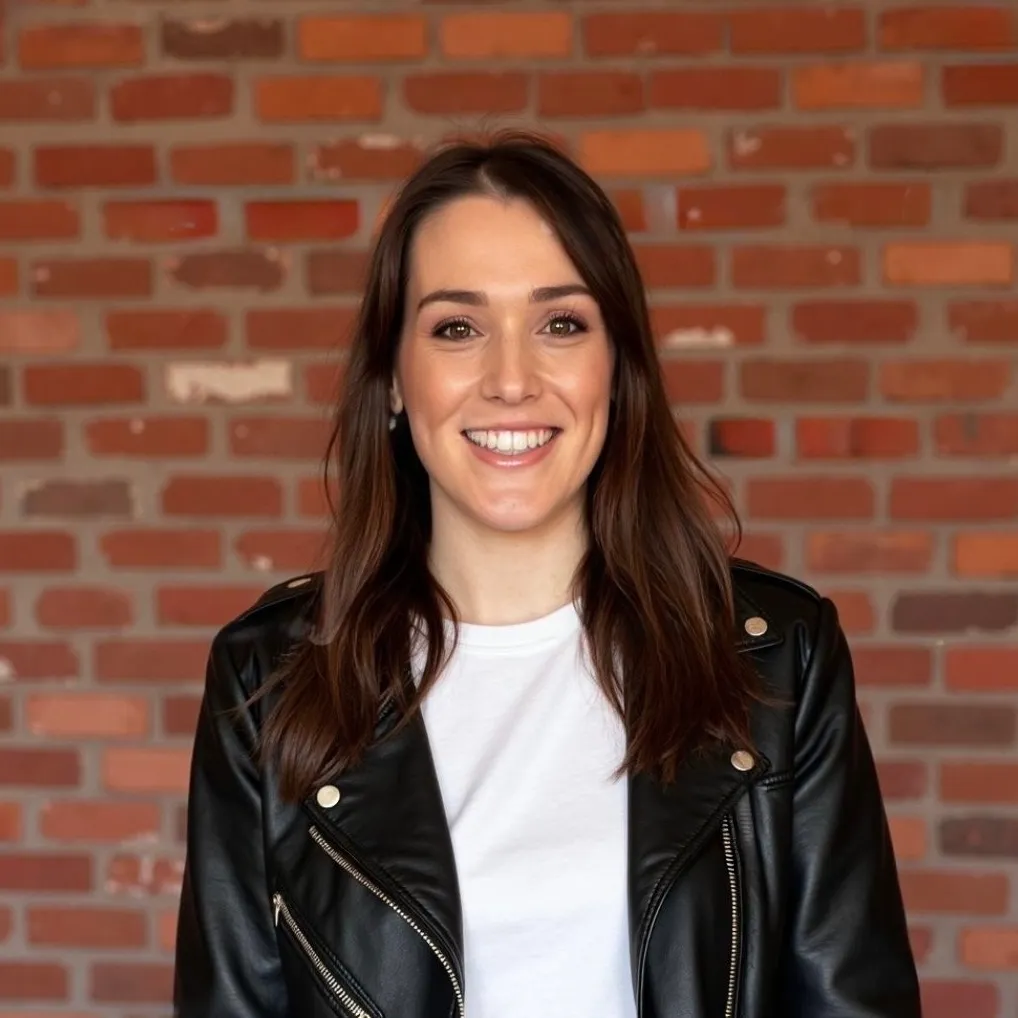


Jake, Matt and the team design and build every store from Arundel, West Sussex.
- Shopify Partner, with our own apps on the Shopify App Store
- SEO and development in one team, so fixes ship into the theme
- Rolling monthly retainers, reported on organic revenue


Shopify SEO results
Shopify stores we have grown through organic search.
Measured on organic traffic, rankings and the revenue behind them. Each search result is written up in our case studies.
ThreadBear Design · Shopify SEO
437% more organic traffic.
A handcrafted toy and gift brand selling to shoppers and to trade on Shopify. Product and collection SEO, content and clear reporting built an organic channel that now carries the store.
+437%Organic traffic
+312%Ranked keywords
5.6%Conversion rate
+139%B2B orders
Read the ThreadBear case study ›“Rococo has taken the time to understand our products, our customers and the way our business works, which has helped us bring much more structure to our online activity.”
Danielle Hanson, ThreadBear Design
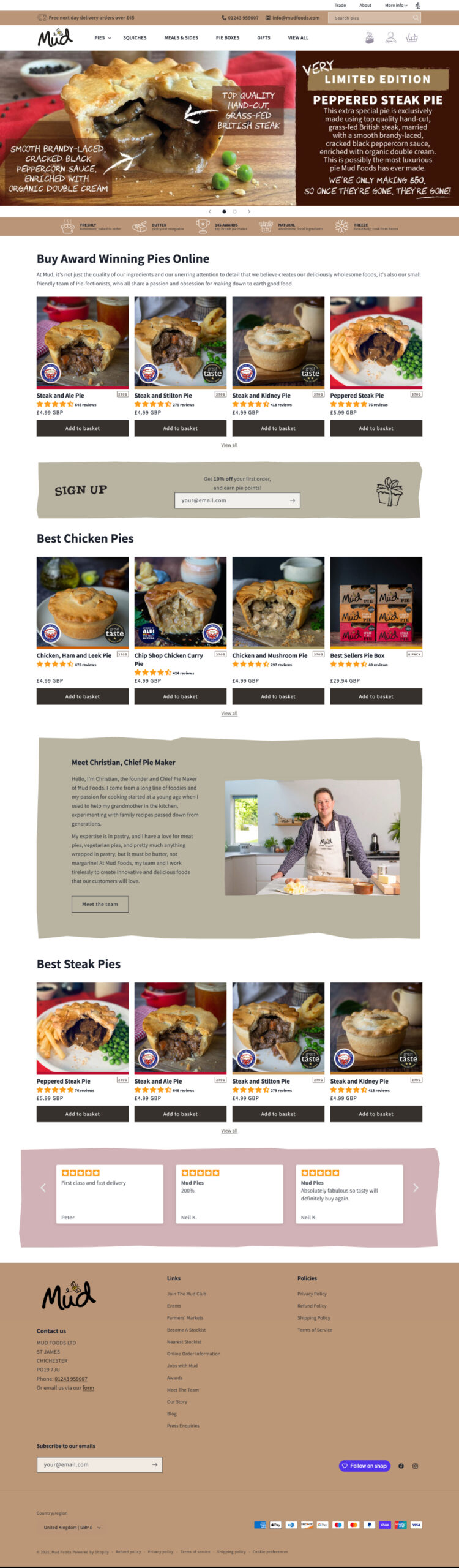
Mud Foods · SEO and paid search
171% more organic traffic.
0sDowntime when Channel 4 aired
+256%Site conversions
The Fab Bag Company · Shopify
156% more organic traffic.
+277%Organic keywords
+189%Email revenue

“Rococo grasped our goals from the very beginning, offering solutions that showed a higher level of skill and understanding than any other developer we’d approached.”
 Christian BarringtonOwner, Mud Foods
“They feel like an extension of our team, bringing ideas, direction and a clear sense of priority to what we should be focusing on next.”
 Martha SilcottFounder and CEO, The Fab Bag Company
“Rococo brought the whole thing together into a single platform that is faster, far easier to manage and finally built for how our trade customers actually buy.”
 Katie JohnsonCommercial Director, Networks Centre
Want organic to carry more of your revenue? Talk it through with Jake or Matt, who would run your SEO.
Trusted by brands who expect results


Why Shopify SEO is different
Shopify has its own SEO rules. Most stores are quietly breaking them.
Generalist SEO advice often breaks on Shopify, because the platform fixes the URL structure, generates pages you never asked for and loads every app’s scripts into the theme. The clearest example is on nearly every store we audit: each product lives at two addresses, and the theme links to the wrong one.
/collections/dolls-houses/products/oak-dolls-houseProduct cards, menus and apps all point here/products/oak-dolls-houseThe canonical product URLThe fix: every internal link pointed at the canonical URL in the theme itself, so new products and new apps inherit it rather than undoing it.
It is one of eight Shopify specific problems below, and the reason SEO and development sit in the same team at Rococo: the fixes live in the theme.
Shopify SEO services
The Shopify specific problems we fix in almost every audit.
These are not generic SEO issues with a Shopify label on them. Each comes from how the platform is built, and each needs a Shopify specific fix made in the theme.
Duplicate product URLs
Every product is reachable at /products/handle and inside each collection. The canonical is usually right, but internal links, product cards and apps point at the collection version and split the signals.
Tag and filter pages
Tag and filtered collection URLs generate thousands of thin, crawlable pages. We decide which deserve to be real collections and noindex or canonicalise the rest.
Thin collection pages
Shopify gives a collection a title and a grid. Ranking a category term needs copy, links to sibling collections and FAQs, placed so they do not push products below the fold.
App and theme JavaScript
Reviews, pop ups, upsells and tracking scripts stack up until mobile Core Web Vitals fail. Every app is audited for what it earns against what it costs in speed.
robots.txt and URL limits
Shopify’s fixed /products/, /collections/ and /pages/ paths and its fragile robots.txt.liquid have to be worked with, so the site structure is planned inside those limits.
Large catalogues and taxonomy
Stores with thousands of SKUs rank or fail on how products are grouped. We rebuild the collection taxonomy around how people search and set metadata at scale.
Shopify Markets and hreflang
International stores need hreflang, currency and content handled so each market ranks in its own country instead of the UK store cannibalising them all.
AI search visibility
ChatGPT, Perplexity and AI Overviews cite stores with clean product data, clear comparison content and consistent brand signals. The same work earns both, and we track both.
The full technical list is in our eCommerce SEO checklist and the on page basics in Shopify SEO best practices. Larger stores should read our Shopify Plus SEO guide, and if you are replatforming, our Shopify migration agency team moves the store so the rankings come with you.
Talk your store through with Jake or Matt, who run every SEO account.
The first 90 days
What your first three months of Shopify SEO look like.
SEO takes three to six months to show meaningful movement, so the first quarter is planned in detail before anything starts, and you see something shipped every month.
- Month 1
Audit and fix the foundations
- A full crawl and Shopify SEO audit, with a prioritised roadmap
- Duplicate product URLs, tag pages and canonicals fixed in the theme
- Search Console, GA4 and rank tracking set against a baseline
You seeThe audit, the roadmap and the first fixes live
- Month 2
Collections and products
- Priority collections rewritten around the terms customers search
- Product templates fixed so every new product inherits the right metadata and schema
- Internal links built between sibling collections and guides
You seeThe first collection pages moving for new terms
- Month 3
Content and authority
- Comparison and buying guide content that feeds the collections
- Core Web Vitals work on the templates that earn revenue
- Digital PR or outreach where the category needs links
You seeA report on organic revenue and non brand clicks, and the next quarter’s plan
After the first quarter the plan rolls month to month, with the mix of technical, collection and content work set by what moved and what did not.

Your Shopify SEO experts
The Shopify SEO consultant on your account is a director.
The director who audits your store is the one who runs the SEO each month, and you speak to them, not an account manager.
- Matthew Jones, technical director. Owns the technical SEO, from canonicals and schema to Core Web Vitals, and makes sure every fix ships safely into the theme.
- Jake Boase, director. Leads the search strategy and the growth plan, and is in the account week to week.
- Fixes shipped by our own developers. Theme changes, schema and speed work are made by our team in Arundel, West Sussex, not left on a list for someone else.
- Shopify app builders. We publish our own apps on the Shopify App Store, so we know which apps slow a store down or add duplicate schema, and how to fix it.
- Marketing after launch. Search Console, GA4 and Merchant Center are checked first so organic revenue is measured properly, and our Shopify marketing team can turn new visitors into repeat buyers.
What you get
A rolling monthly plan, shipped into the store.
No long contract. A typical month on a mid sized Shopify store includes the following, with the mix set by your catalogue and category.
- Collection pages that rankBuilt or rewritten around the terms your customers use, usually five to fifteen a month depending on catalogue size.
- Product pages fixed in batchesCopy, metadata and structured data updated, with templates fixed so new products inherit the right setup.
- Technical fixes in the themeShipped by our own Shopify developers and tested on a duplicate theme, not left as a recommendations document.
- Content that earns linksOne or two comparison or buying guides a month that feed the collections and attract coverage.
- Reporting on revenueOrganic revenue, non brand clicks and rankings for collection and product terms, not sessions.
Expert, consultant or agency
Three ways to work with us
- Audit and roadmapA fixed fee review of your store and a prioritised plan that is yours to keep. Fits if you have people who can implement.
- ConsultancyWe set the SEO direction and review the work alongside your developers and marketers, without taking it over.
- RetainerWe write the collection pages, fix the theme and report on organic revenue, accountable for the result.
The same two people sit behind all three: Jake Boase and Matthew Jones, so you choose how much we do rather than who you get.
Get a fixed proposalWho this works for
- Shopify and Shopify Plus stores with a real catalogue, from a few hundred SKUs to tens of thousands.
- A margin that can fund the work, and a category worth owning organically.
- Paid traffic you want to lean on less, or a competitor outranking you on terms you should win.
- Too early for a retainer? Start with the fixed fee audit and roadmap and grow into it.
Selling beyond Shopify, or on several platforms? Our eCommerce SEO team covers the wider picture.
A word on page one promises
- Anyone cold emailing your store promising page one rankings is not a Shopify SEO expert.
- Real ones name their clients and show their numbers, like the ones on this page.
- They ship the fixes, rather than sending a PDF of recommendations for someone else to build.
- They report on revenue, not on a list of rankings for terms nobody searches.
Building links as well? Our link building and digital PR work is planned with the collections it supports.
Works alongside
Search works harder when the store is built for it.
The services Shopify SEO clients use most alongside it, from the build to the channels that turn new visitors into repeat customers, all from one Shopify agency.
get in touch
Tell us a little about your store.
A few quick details help us point the conversation in the right direction. We reply within one working day, and the first call is a focused 30 minutes with a senior member of the team, not a sales pitch.
Prefer to skip the form? Book a Growth Call directly.
Shopify SEO questions.
The questions store owners ask us most before hiring a Shopify SEO agency. If yours is not here, ask it on the call.
A Shopify SEO agency, or Shopify SEO company, is a specialist team that grows organic traffic and revenue for stores built on Shopify or Shopify Plus. Unlike a generalist SEO company, it understands the platform’s quirks, from variant and collection URL duplication to app bloat, theme speed and limited URL control, and knows how to fix them without breaking the store.
Technical SEO, collection and product page optimisation, site speed and Core Web Vitals, structured data, internal linking, and content that earns links and rankings. The technical fixes are made in the theme by our own Shopify developers, and everything is reported on organic revenue rather than rankings alone.
Ongoing Shopify SEO retainers start from £4,000 a month, scoped to the size of your store, the competition in your category and the pace you want to move at. A standalone Shopify SEO audit and roadmap is a fixed fee project, quoted after a short call.
Most Shopify stores see meaningful movement in three to six months, with compounding growth beyond that. Technical fixes and quick wins often land sooner, and collection rankings, content and authority build steadily on top.
Yes. Every engagement starts with a Shopify SEO audit covering technical health, product and collection structure, on page optimisation, site speed, indexation, internal linking and content gaps, with a prioritised roadmap. It is also available on its own as a fixed fee project, credited against your first month if you go on to a retainer.
They are shapes of engagement rather than different jobs. An expert or consultant fits when you have people to implement and need direction, either a fixed fee audit and roadmap or ongoing advice alongside your team. An agency retainer fits when you want the work done for you. At Rococo the same two people sit behind all three, Jake Boase and Matthew Jones.
Shopify fixes the URL structure, creates a second URL for every product inside each collection, generates crawlable tag and filter pages and loads app scripts that hurt Core Web Vitals. The fixes are platform specific: internal links pointed at one product URL, tag pages handled, collections given real content, apps audited for speed and structured data set in the theme. A generalist checklist misses most of it.
Yes, and it is usually the first technical job. Internal links, product cards and app output are pointed at the canonical /products/ URL, tag and filter URLs are noindexed or canonicalised depending on whether they deserve to rank, and the fix is made in the theme so it survives new products and new apps.
Yes. Plus stores bring their own SEO questions: several markets and hreflang, B2B and retail catalogues on one store, headless builds where rendering has to be checked, and checkout changes that affect tracking. We build on Shopify Plus as well as run SEO on it, so one team handles all of it.
From a few hundred SKUs to tens of thousands. Large catalogues are where Shopify SEO earns the most, because taxonomy and template fixes compound across every product. Very small catalogues usually get more from a fixed fee audit and a content plan than from a full retainer, and we will say which you need.
No. Retainers start from £4,000 a month and roll monthly. SEO takes three to six months to show meaningful movement, so we ask for a fair run at it, but we would rather keep the account by producing results than by holding you to a term.
As few as possible. Most SEO apps add scripts and duplicate what the theme can do natively. We set metadata, structured data, alt text and redirects in the theme and Shopify’s own tools, and use an app only where it saves real work at scale, such as bulk editing on very large catalogues.
They should do the opposite, and we check. Every change is made by our own Shopify developers, measured on Core Web Vitals before and after, and tested on a duplicate theme before it goes live. Speed is treated as an SEO deliverable, not a separate project.
Yes. Migrations are planned by the same team: a full crawl and baseline, every indexed URL redirected one to one, templates and structured data rebuilt, and rankings monitored for 90 days after launch. Our Shopify migration agency page covers the process.
AI assistants and Google’s AI Overviews cite stores with clean product data, clear comparison and buying guide content, consistent brand information and structured data. That is the same work that ranks a Shopify store in Google, and we track citations and referrals from AI assistants alongside organic search.
Yes. We either own the technical changes or hand a prioritised ticket list to your developer and check the result, and we can lead strategy for an in house marketer or support on the technical side. With a PPC agency we share search term data both ways so paid and organic cover different ground.
Jake Boase or Matthew Jones, the co-founders, and you will know which before anything is signed. They scope the work, they are in the account, and you can ask either of them to walk you through any decision. Nothing is handed to a junior after the pitch, and nothing is outsourced.